
Introduction
Wisdom tooth extraction is a common dental procedure. Many people need this treatment during their late teens or early twenties. Often, wisdom teeth can cause pain, swelling, or crowding in the mouth. Because of this, dentists may suggest removing them. In this blog, you will learn what to expect from wisdom tooth extraction, recovery tips, and ways to prevent problems.
What Is Wisdom Tooth Extraction?
Wisdom tooth extraction means removing one or more of your third molars. These teeth are at the back of your mouth. Usually, they appear between ages 17 and 25. Sometimes, they do not have enough space to grow. As a result, they may get stuck or grow at an angle. Dentists call these “impacted” wisdom teeth. Extraction helps prevent pain and infection.
Why Is Wisdom Tooth Extraction Needed?
Not everyone needs their wisdom teeth removed. However, there are several reasons why extraction may be necessary. For example, wisdom teeth can:
In many cases, dentists recommend wisdom tooth extraction to avoid future dental problems. According to the American Dental Association, early removal can help prevent serious issues later.
Signs and Symptoms Indicating Extraction
Sometimes, it is hard to know if you need a wisdom tooth removed. Still, there are some signs to watch for. For instance, you may notice:
If you have any of these symptoms, it is important to see your dentist. Early treatment can help prevent more serious problems.
How Is Wisdom Tooth Extraction Performed?
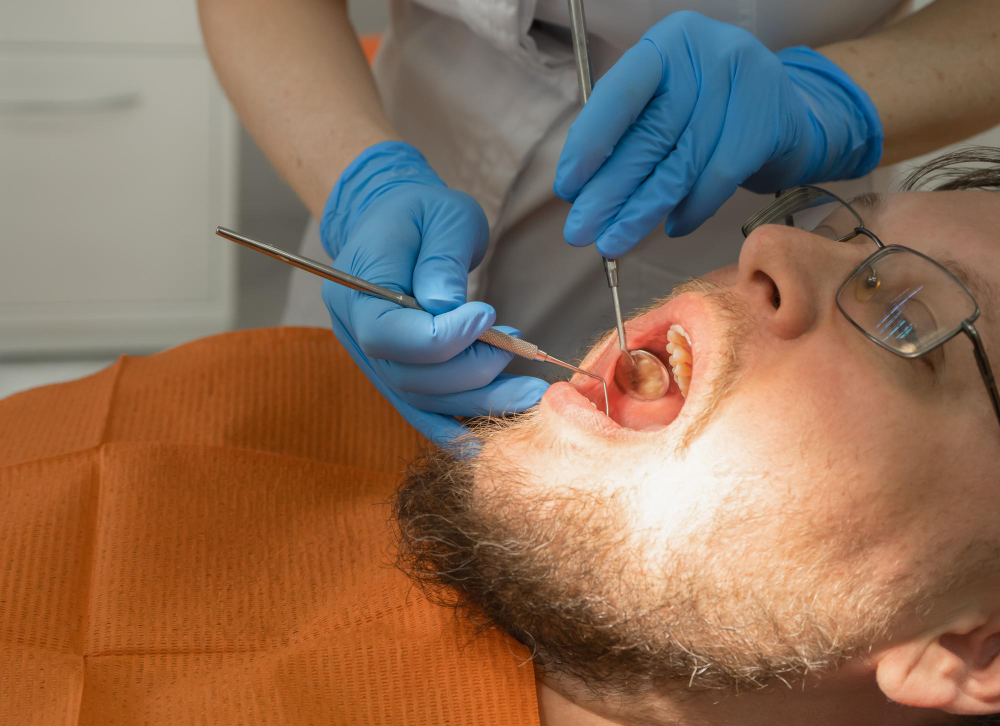
First, your dentist or oral surgeon will examine your mouth. They may take X-rays to see the position of your wisdom teeth. Next, they will explain the procedure and answer your questions. During the extraction, you will receive local anesthesia to numb the area. Sometimes, sedation or general anesthesia is used for comfort.
Once you are numb, the dentist will gently remove the tooth. In some cases, they may need to cut the gum or bone to reach it. After the tooth is out, the dentist may place stitches to help the area heal. The whole process usually takes less than an hour.
Recovery Tips After Wisdom Tooth Extraction
After wisdom tooth removal, proper care is important for healing. Here are some helpful recovery tips:
Most people recover in a few days. However, some swelling or mild pain can last up to a week. If you follow these wisdom tooth extraction aftercare tips, you can heal faster and avoid problems.
Possible Risks and Complications
Although wisdom tooth extraction is safe, there are some risks. For example, you may experience:
If you notice severe pain, fever, or pus, contact your dentist right away. Early care can prevent serious issues. According to the CDC, following your dentist’s advice lowers your risk of complications.
Prevention and Oral Care Tips
While you cannot always prevent wisdom tooth problems, good oral care helps. For instance, you should:
With these habits, you can keep your mouth healthy and reduce the risk of wisdom tooth pain.
Conclusion
In summary, wisdom tooth extraction is a common and safe procedure. Knowing what to expect and how to care for your mouth can make recovery easier. If you have pain or other symptoms, consult a dentist at Vivek Dental Clinic for personalized advice on wisdom tooth extraction.