
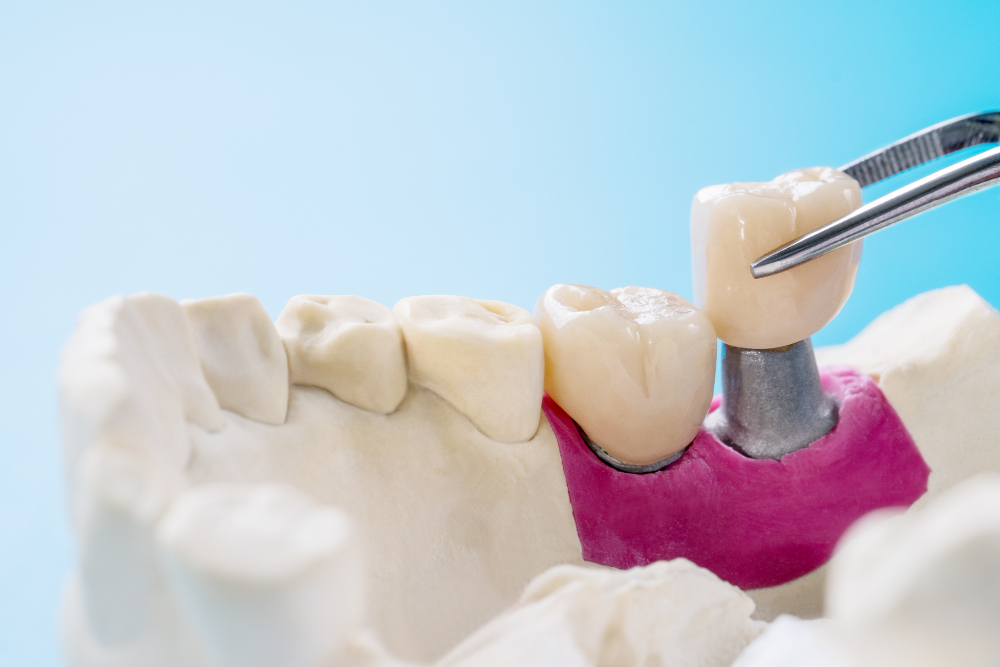
Many people wonder when to get a dental crown. A dental crown is a cap placed over a tooth. It helps restore the tooth’s shape, size, and strength. Often, people look for reasons for dental crowns after tooth damage or decay. The dental crown procedure is common and safe. Knowing when to get a dental crown can help you protect your smile. In this blog, we will explain what a dental crown is, why you might need one, and what to expect during the process.
What Is a Dental Crown?
A dental crown is a cover that fits over a damaged or weak tooth. Dentists use crowns to protect, restore, or improve the look of teeth. Crowns can be made from metal, porcelain, ceramic, or a mix of materials. Usually, the dentist shapes the tooth and then places the crown on top. This helps keep the tooth strong and healthy. According to the American Dental Association (ADA), crowns are a safe and effective way to fix many dental problems.
Common Reasons for Getting a Dental Crown
There are several reasons for dental crowns. Sometimes, a tooth is too weak for a simple filling. Other times, a crown is needed after certain dental procedures. Here are some common reasons:
For many people, these reasons make crowns a good choice. If you have any of these issues, you may need a dental crown.
Signs You May Need a Dental Crown
Sometimes, it is not easy to know when to get a dental crown. However, there are signs that may show you need one. For example, if you have a cracked or broken tooth, a crown can help. Other signs include:
If you notice any of these signs, talk to your dentist. Early care can prevent bigger problems later.
The Dental Crown Procedure: What to Expect
Knowing what happens during the dental crown procedure can ease your worries. First, your dentist will check your tooth. Next, they will shape the tooth so the crown fits well. Often, they take a mold or digital scan of your tooth. Then, a temporary crown is placed while the permanent one is made. At your next visit, the dentist will fit and cement the final crown. The whole process usually takes two visits. However, some clinics offer same-day crowns using special machines.
Benefits and Risks of Dental Crowns
Dental crowns offer many benefits. For instance, they protect weak teeth and restore your smile. They can also improve how your teeth look and work. But, like any dental treatment, there are some risks. Sometimes, crowns can become loose or fall off. Rarely, you may feel pain or sensitivity after the procedure. In most cases, these problems are easy to fix. According to the ADA, dental crowns are safe and last many years with proper care.
How to Care for Your Dental Crown
Proper care helps your dental crown last longer. Here are some simple tips:
With good care, your crown can last 5 to 15 years or more.
Frequently Asked Questions About Dental Crowns
For people living in different areas, dental crown costs and options may vary. Always ask your local dentist about the best choices for you.
Conclusion
If you have a damaged or weak tooth, consult the experts at Vivek Dental Clinic. Our dentists provide personalised guidance and treatment to restore and protect your teeth with dental crowns. Book your consultation today.