What Is Malocclusion?
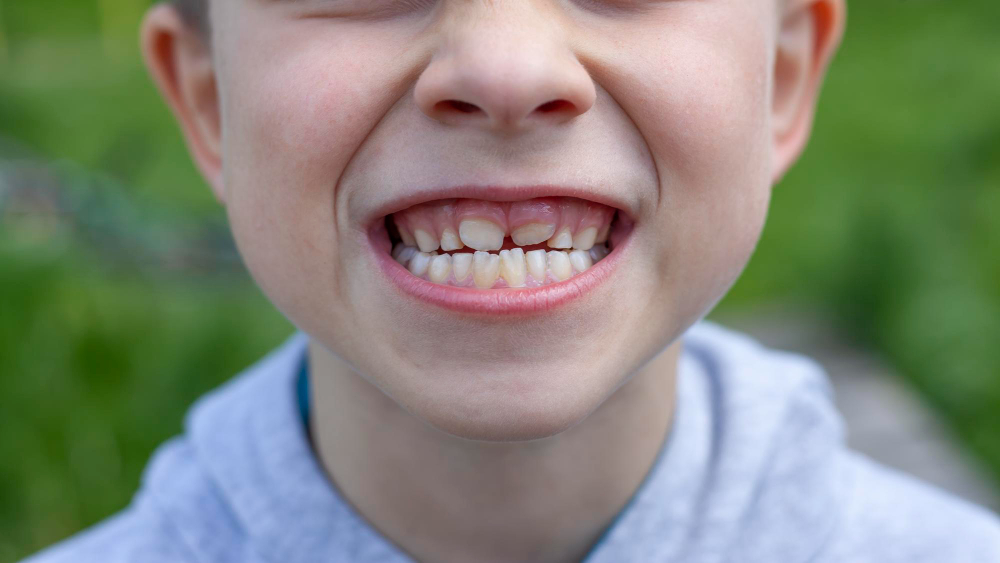
Malocclusion is a dental condition where the teeth do not fit together properly. In other words, the upper and lower teeth are misaligned when the mouth is closed. Because of this, chewing and speaking can become difficult. Malocclusion can also affect the way your smile looks. Many people search for malocclusion treatment to improve both function and appearance. Understanding malocclusion symptoms and malocclusion causes is important for early care. Dentists use special exams for malocclusion diagnosis to help guide the best treatment.
Common Causes of Malocclusion
Several factors can lead to malocclusion. Sometimes, it runs in families. However, other causes can also play a role. Below are some common reasons:
Because many causes are preventable, early dental visits are helpful.
Recognizing Symptoms of Malocclusion
Malocclusion symptoms can vary from mild to severe. Some people may not notice any problems. Yet, others may have clear signs. Watch for these symptoms:
For example, children with malocclusion may struggle to eat certain foods. If you notice these signs, a dental checkup is a good idea.
How Malocclusion Is Diagnosed
Dentists use several steps to diagnose malocclusion. First, they ask about your dental history. Next, they examine your mouth and teeth. Often, they take X-rays to see the position of teeth and jaws. Sometimes, dentists use dental molds to study how your teeth fit together. Because early diagnosis helps prevent future problems, regular dental visits are important. According to the American Dental Association, early exams can catch malocclusion before it worsens.
Treatment Options for Malocclusion
There are several ways to treat malocclusion. The best option depends on your age and the severity of the problem. Here are some common treatments:
Because each person is different, your dentist will suggest the best plan for you. The World Health Organization notes that early treatment often leads to better results.
Prevention and Oral Care Tips
While not all cases of malocclusion can be prevented, good habits can lower the risk. Consider these tips:
Because prevention is easier than treatment, starting good habits early is wise.
In summary, malocclusion can affect both your smile and your health. Early diagnosis and treatment make a big difference. Consult a dental specialist at Vivek Dental Clinic for personalized advice on malocclusion.