
Introduction
Are you thinking about straightening your teeth? Many people wonder whether to choose Invisalign or metal braces. Both options can help you get a healthy, beautiful smile. However, each has its own benefits and drawbacks. In this blog, we will compare clear aligners vs. traditional braces. You will learn about costs, comfort, and which option may suit your needs best.
What Are Invisalign and Metal Braces?
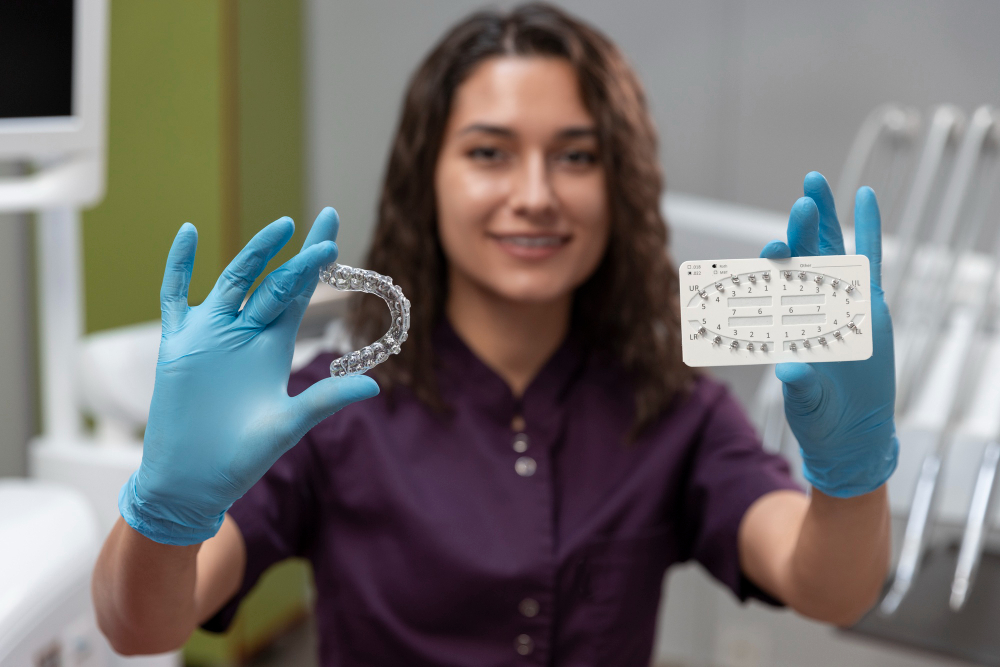
First, let’s look at what these treatments are. Invisalign uses clear, plastic trays called aligners. You wear them over your teeth. Metal braces use metal brackets and wires. Dentists attach them to your teeth. Both methods move your teeth into better positions over time.
How Do They Work?
Both Invisalign and metal braces work by gently shifting your teeth. But, they do it in different ways.
Both options need regular check-ups with your dentist or orthodontist.
Pros and Cons of Invisalign
Invisalign is popular, especially among adults. However, it may not be right for everyone. Here are some pros and cons:
Pros and Cons of Metal Braces
Metal braces have been used for many years. They are strong and reliable. But, they also have some drawbacks.
Who Is a Good Candidate?
Not everyone is a good fit for both options. So, who should consider Invisalign or metal braces?
For best results, your dentist will check your teeth and suggest the right option.
Cost Comparison and Insurance Considerations
Cost is a big factor for many families. So, how do Invisalign cost vs. braces compare?
Always ask your dentist about costs and insurance before starting treatment. (Source: American Dental Association)
Treatment Duration and Maintenance
How long will you need to wear braces or aligners? Treatment time depends on your dental needs.
For both options, you must keep your teeth clean. With Invisalign, you remove aligners to brush and floss. With metal braces, you need to clean around brackets and wires. Your dentist will show you the best way to care for your teeth during treatment.
Lifestyle Impact and Comfort
Choosing clear aligners vs. traditional braces can affect your daily life. For example, Invisalign aligners are smooth and less likely to cause mouth sores. You can remove them for meals, so you can eat most foods. However, you must remember to put them back in after eating.
On the other hand, metal braces stay on your teeth all the time. Some foods, like popcorn or sticky candy, should be avoided. Braces may cause discomfort after adjustments. But, you do not have to worry about losing them.
Common Myths and Facts
There are many myths about Invisalign and metal braces. Let’s clear up some facts:
How to Decide: Key Questions to Ask Your Dentist
Before you choose, it helps to ask your dentist or orthodontist some key questions:
Your dentist can help you weigh the pros and cons. They will guide you to the best orthodontic option for adults or teens.
Conclusion
If you want a straighter smile, consult the experts at Vivek Dental Clinic. Our orthodontists provide personalised guidance to help you choose between Invisalign or metal braces for the best results. Book your consultation today.