
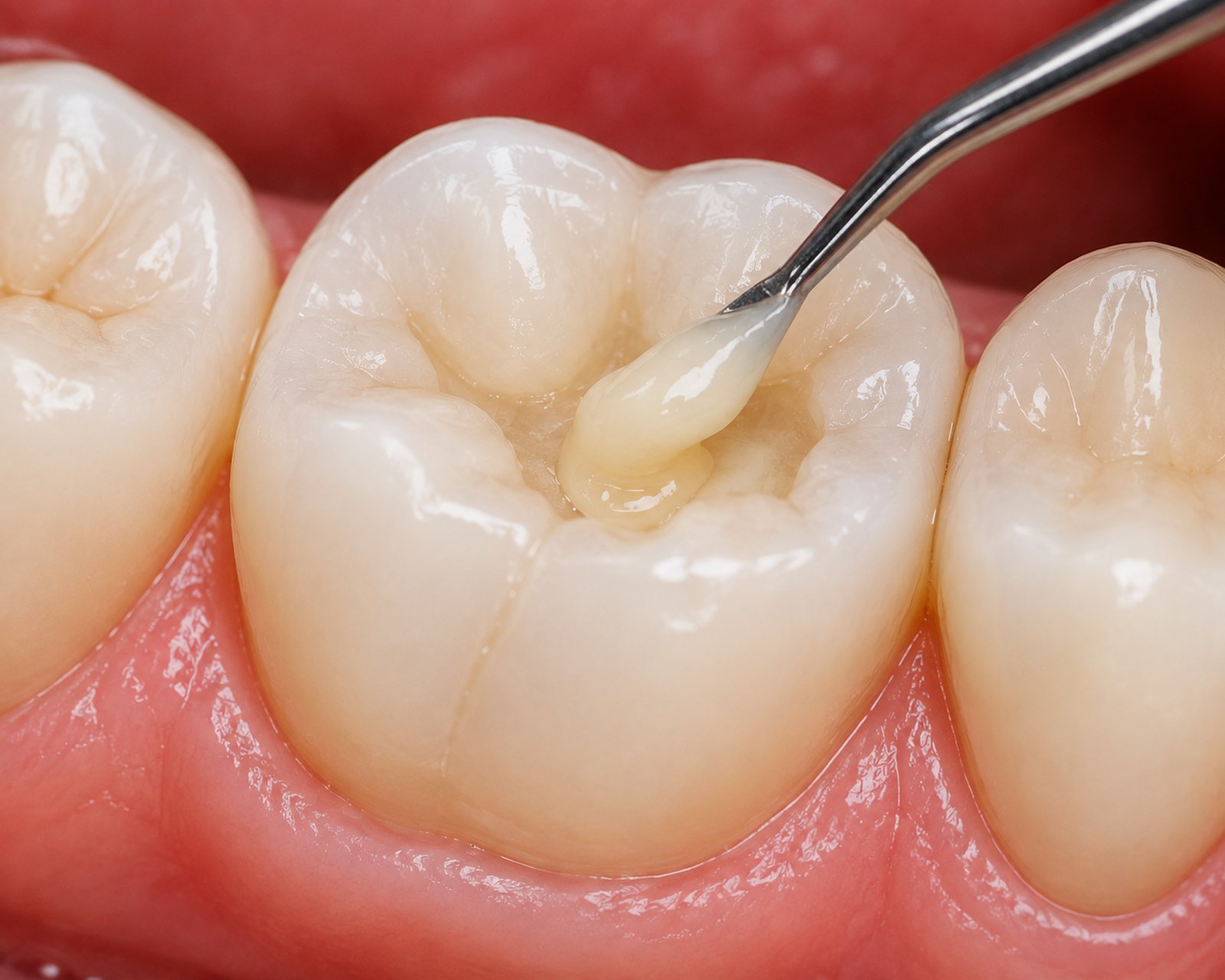
If you have a chipped or cracked tooth, dental bonding can help restore your smile quickly. Many people want fast dental fixes for minor tooth damage. Dental bonding is a popular choice in cosmetic dentistry because it is simple, affordable, and effective. In this blog, you will learn how dental bonding works and why it may be the right option for you.
What Is Dental Bonding?
Dental bonding is a cosmetic dental treatment. It uses a tooth-colored resin to repair small chips, cracks, or gaps in teeth. Dentists shape and harden the resin so it blends with your natural teeth. As a result, your smile looks smooth and even. According to the American Dental Association, dental bonding is safe and widely used for minor repairs.
Common Causes of Chipped or Cracked Teeth
Teeth can chip or crack for many reasons. Sometimes, accidents happen. Other times, daily habits can weaken teeth over time. For example, biting hard foods or using your teeth to open packages can cause damage. In addition, tooth decay or old fillings may make teeth more likely to break. Here are some common causes:
How Dental Bonding Works
First, your dentist will choose a resin color that matches your tooth. Then, the dentist applies the resin to the damaged area. After shaping the resin, a special light hardens it. This process bonds the resin to your tooth. Because the treatment is quick, you can often fix chipped teeth in just one visit. Dental bonding is a great option for people seeking fast cosmetic dental solutions.
Benefits of Dental Bonding
Dental bonding offers several advantages over other treatments. For instance, it is less expensive than crowns or veneers. Also, the process is fast and usually painless. Here are some key benefits:
Who Is a Good Candidate for Dental Bonding?
Not everyone is the best fit for dental bonding. However, many people with minor tooth damage can benefit. You may be a good candidate if:
On the other hand, people with large breaks or severe decay may need other treatments. Your dentist will help you decide what is best for your needs.
The Dental Bonding Procedure: Step-by-Step
Dental bonding is a simple process. Most visits take less than an hour. Here is what you can expect:
Because the procedure is gentle, most people do not need numbing medicine.
Aftercare and Longevity of Dental Bonding
Taking care of your bonded tooth helps it last longer. Although dental bonding is strong, it is not as durable as crowns. With good care, bonding can last three to ten years. To keep your bonded teeth in good shape:
If you notice any sharp edges or changes, let your dentist know right away.
Potential Risks and Limitations
While dental bonding is safe, there are some risks. For example, the resin can chip or stain over time. Unlike crowns, bonding is not as strong. In addition, it may not be the best choice for large repairs. Some people may need touch-ups or repairs in the future. However, most patients find dental bonding a good solution for small cosmetic issues.
Prevention Tips for Chipped or Cracked Teeth
Although dental bonding can fix minor damage, it is best to prevent chips and cracks. You can protect your teeth by following these tips:
By caring for your teeth, you can lower your risk of future chips or cracks. Consult at Vivek Dental Clinic now.