
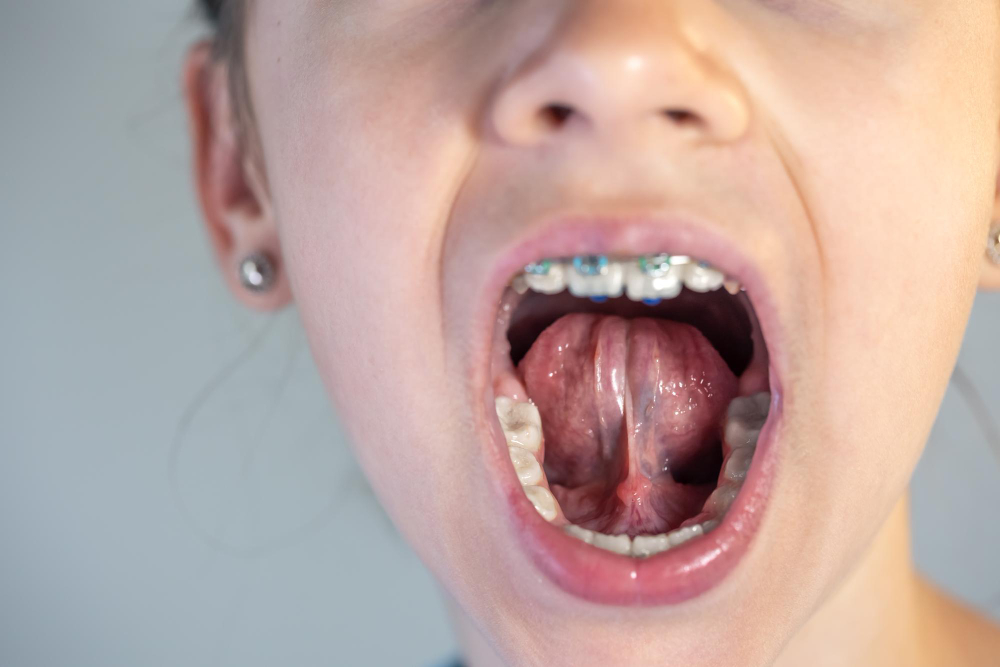
What Is Tongue-Tie?
Tongue-tie in infants and children is a condition present at birth. It happens when the strip of skin under the tongue, called the lingual frenulum, is shorter or tighter than usual. Because of this, the tongue cannot move freely. As a result, some babies and children may have trouble with feeding, speaking, or other daily activities. While many children have a mild form, others may need treatment.
Common Signs and Symptoms in Infants and Children
Sometimes, tongue-tie is easy to spot. However, in other cases, the signs are subtle. For example, tongue-tie symptoms in babies may include:
In older children, you might notice:
Because these signs can vary, it is important to watch for changes as your child grows.
Causes and Risk Factors
Tongue-tie is usually present at birth. Although the exact cause is not always known, it can run in families. In addition, boys are more likely to have tongue-tie than girls. Sometimes, tongue-tie is linked to certain genetic conditions. However, most cases happen without a clear reason. According to the CDC, tongue-tie affects about 4 to 11 percent of newborns.
How Tongue-Tie Is Diagnosed
Doctors often check for tongue-tie during a newborn exam. However, sometimes it is not noticed until feeding or speech problems appear. To diagnose tongue-tie, a healthcare provider will:
In some cases, a lactation consultant or speech therapist may help with the diagnosis. Early detection can make treatment easier.
When and Why Treatment May Be Needed
Not all children with tongue-tie need treatment. However, treatment for tongue-tie in children is often needed if the condition causes problems. For example, if your baby struggles to breastfeed or gain weight, treatment may help. Likewise, older children who have speech delays or trouble eating may benefit from care. Because every child is different, doctors will look at the symptoms and their impact before suggesting treatment. According to the American Academy of Pediatrics, treatment is only needed if tongue-tie affects daily life.
Treatment Options for Tongue-Tie
There are several ways to treat tongue-tie. The main options include:
After treatment, some children may need feeding or speech therapy. Because each child is unique, your doctor will discuss the best option.
Tips for Parents: What to Watch For
As a parent, you play a key role in spotting tongue-tie symptoms in babies and children. For example, watch for:
If you notice these signs, talk to your child’s doctor. Early support can make a big difference.
Prevention and Early Detection
Because tongue-tie is present at birth, it cannot be prevented. However, early detection is possible. For instance, regular newborn checkups help spot tongue-tie early. In addition, parents can ask about tongue movement if they notice feeding problems. Early care can prevent long-term issues with feeding or speech. According to the WHO, early support for feeding problems can improve outcomes for babies and children.
Consult at Vivek Dental Clinic if your child has Tongue-Tie