
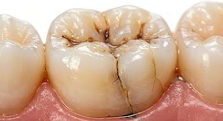
What is Cracked Tooth Syndrome?
Cracked tooth syndrome happens when a tooth has a small crack that is hard to see. Often, this crack is too tiny for the eye or even X-rays to spot. However, it can still cause pain and other dental problems. Early signs may be mild, but the issue can get worse if left untreated. Dentists use the term “cracked tooth syndrome” to describe this hidden dental problem. According to the American Dental Association, this condition is becoming more common as people keep their teeth longer.
Common Symptoms and Warning Signs
Many people with cracked tooth syndrome notice pain when they chew. Sometimes, the pain comes and goes. It may be hard to tell which tooth hurts. Other warning signs include:
However, not everyone feels pain right away. For this reason, it is important to watch for any changes in your mouth.
Causes and Risk Factors
Many things can cause cracked tooth syndrome. For example, biting down on hard foods like ice or nuts can crack a tooth. Grinding your teeth at night, called bruxism, also increases your risk. Other risk factors include:
As people age, their teeth may become weaker. Therefore, adults over 40 are more likely to get cracked tooth syndrome.
How Dentists Diagnose Cracked Tooth Syndrome
Diagnosing cracked tooth syndrome can be tricky. Often, the crack is too small to see. Dentists use several methods to find the problem. First, they ask about your symptoms and check your mouth. Next, they may use a special tool to press on each tooth. Sometimes, they use dental dye to highlight cracks. X-rays can help, but they do not always show the crack. In some cases, dentists use a magnifying glass or special light. Because early diagnosis is key, regular dental checkups are important.
Treatment Options and What to Expect
Treatment depends on how deep the crack is. For small cracks, a dentist may bond the tooth with a filling or resin. If the crack is larger, a crown may be needed to protect the tooth. In some cases, the crack reaches the tooth’s nerve. Then, a root canal may be required. If the tooth is badly damaged, it may need to be removed. After treatment, most people feel relief from pain. However, follow-up visits help ensure the tooth heals well.
Dangers of Ignoring Cracked Tooth Syndrome
Ignoring cracked tooth syndrome can lead to serious problems. For instance, the crack can grow and split the tooth in two. This may cause severe pain and infection. Bacteria can enter the crack and cause an abscess, which is a pocket of pus. If left untreated, the infection can spread to other parts of the body. Over time, you may lose the tooth. Therefore, early treatment helps prevent bigger dental issues and keeps your mouth healthy.
Prevention Tips and Daily Oral Care Guidance
While not all cracks can be avoided, you can lower your risk. Here are some tips:
In addition, tell your dentist if you notice any pain or changes in your teeth. Early action can stop small cracks from becoming big problems.
Conclusion
Cracked tooth syndrome can cause pain and lead to more serious dental issues if ignored. Since early treatment is important, do not delay if you notice symptoms. If you suspect a cracked tooth, consult Vivek Dental Clinic promptly for expert diagnosis and personalized dental care.