
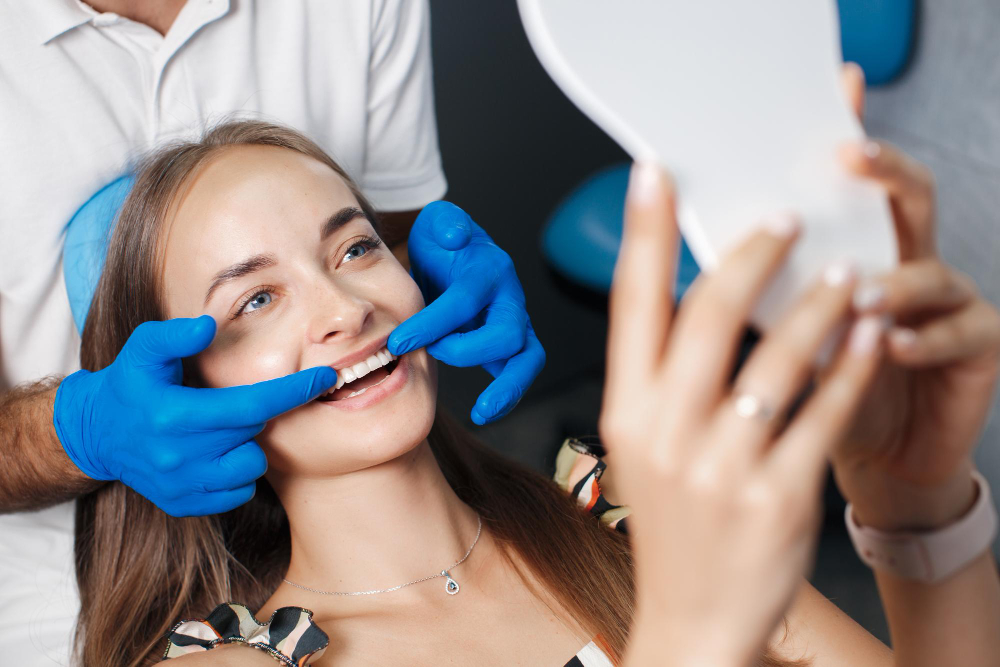
Introduction: What Is Smile Correction and Why Is It Important?
Smile correction is a set of dental treatments that help improve the look of your smile. Many people want a bright, even smile. For this reason, smile correction is very popular. It can boost your confidence and help you feel better about yourself. In fact, studies show that a healthy smile can improve social and work life. If you are wondering how to fix your smile, you are not alone. Many cosmetic dentistry procedures are available to help you.
Causes of Smile Imperfections
There are many reasons why someone may not feel happy with their smile. Sometimes, these issues are present from birth. Other times, they develop over time. For example, teeth may become stained, chipped, or crooked. In addition, gum problems can affect how your smile looks. Here are some common causes:
Because these issues can affect your confidence, many people seek the best smile correction treatments.
Common Smile Correction Procedures
There are several ways to fix your smile. Your dentist will suggest the right option based on your needs. Below are some popular cosmetic dentistry procedures:
Because each person is different, your dentist will help you choose the best option.
Diagnosis and Consultation Process
Before starting any smile correction treatment, you need a dental check-up. During your visit, the dentist will look at your teeth and gums. They may take X-rays or photos to plan your treatment. In addition, you can discuss your goals and concerns. The dentist will explain the possible treatments and answer your questions. This step is important because it helps you understand what to expect. According to the American Dental Association, a good consultation leads to better results.
What to Expect During Treatment
Each smile correction procedure is different. However, most treatments follow a few common steps. First, your dentist will prepare your teeth. For example, they may clean your teeth or shape them for veneers. Next, the main procedure takes place. This could mean fitting braces, placing veneers, or applying bonding material. Some treatments, like braces or aligners, take several months. Others, like bonding or whitening, may be done in one visit. Your dentist will guide you through each step. Because comfort is important, they will use numbing medicine if needed.
Aftercare and Maintenance
After your smile correction, you need to care for your teeth. Good aftercare helps your results last longer. For example, you should brush and floss every day. Your dentist may give you special instructions, such as avoiding hard foods or using a mouthguard at night. In addition, regular dental check-ups are important. If you have braces or aligners, you will need to visit your dentist often. For veneers or bonding, avoid biting hard objects. With proper care, your new smile can last for many years.
Prevention and Lifestyle Tips
Even after smile correction, it is important to keep your teeth healthy. Here are some tips to help you maintain your smile:
Because prevention is easier than treatment, these habits can help you avoid future dental problems.
Conclusion
Smile correction can help you feel more confident and happy. Many safe and effective cosmetic dentistry procedures are available. If you want to know how to fix your smile, talk to a dental specialist at Vivek Dental Clinic. They can guide you to the best smile correction treatments for your needs. Consult a dental specialist for personalized smile correction advice.