
Introduction
Dental care has changed a lot in recent years. One big change is the use of the intraoral scanner in dentistry. This tool helps dentists take digital pictures of your mouth. Because of this, dental visits are now faster and more comfortable. In this blog, you will learn why this technology matters and how it can help you.
What Is an Intraoral Scanner?
An intraoral scanner is a small, handheld device. Dentists use it to take detailed pictures inside your mouth. These pictures are called digital dental impressions. Unlike old methods, there is no need for messy putty. Instead, the scanner creates a clear 3D image of your teeth and gums. As a result, dentists can see your mouth in great detail.
How Intraoral Scanners Work
First, the dentist moves the scanner around your teeth. The device uses light to capture many images quickly. Then, special software combines these images into a 3D model. Because the process is fast, you spend less time in the chair. Also, the images are ready right away, so dentists can review them instantly.
Benefits of Intraoral Scanners for Patients
There are many reasons why patients prefer intraoral scanners. Some of the main benefits include:
Because of these benefits, patient comfort in dentistry has improved a lot.
Advantages for Dentists and Dental Practices
Intraoral scanners help dentists in many ways. For example, they make it easier to spot dental problems early. Also, digital dental impressions are more accurate than old methods. This means fewer mistakes and less need for repeat visits. Additionally, dentists can share images with labs or other doctors quickly. As a result, treatment planning is faster and smoother.
Common Uses of Intraoral Scanners in Dentistry
Today, intraoral scanners are used for many dental treatments. Some common uses include:
Because these scanners are so versatile, they are now found in most modern dental clinics.
Patient Experience: What to Expect
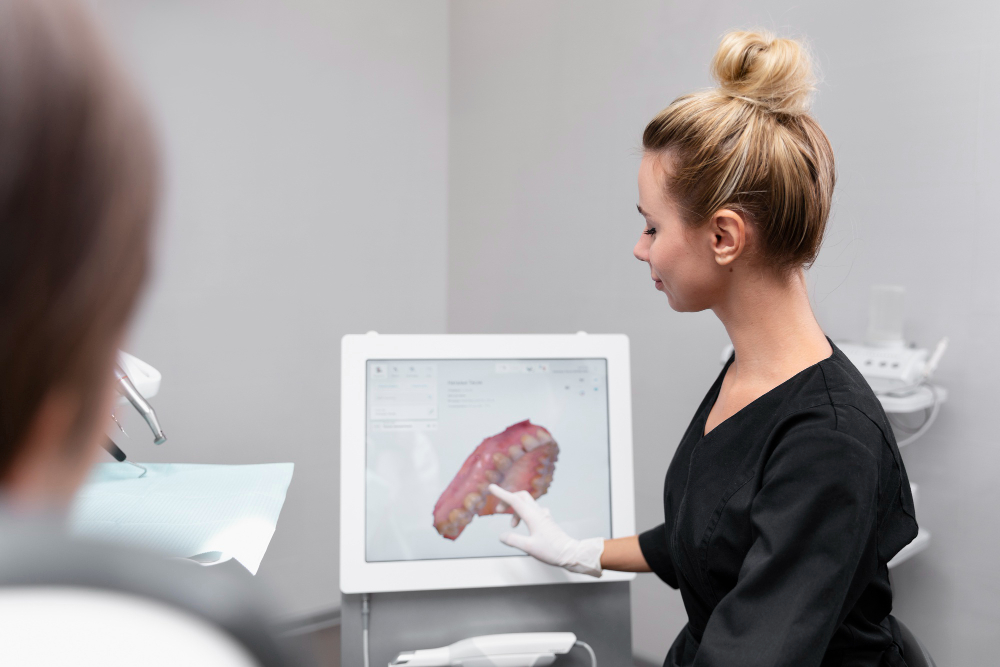
When you visit a dentist who uses an intraoral scanner, the process is simple. First, you sit back in the chair. Next, the dentist gently moves the scanner around your mouth. You may see the 3D image appear on a screen. The scan usually takes just a few minutes. After that, your dentist can explain your dental needs using the images. Most patients find this process easy and comfortable.
Comparing Intraoral Scanners to Traditional Methods
In the past, dentists used trays filled with putty to make molds of your teeth. This could be messy and uncomfortable. Now, with intraoral scanners, the process is cleaner and quicker. Also, digital dental impressions are more precise. Because of this, dental work fits better and lasts longer. According to the American Dental Association, digital methods reduce errors and improve patient satisfaction.
Future of Intraoral Scanning in Dentistry
Dental technology keeps getting better. In the future, intraoral scanners will become even more advanced. For example, they may help spot problems before you feel any pain. Also, new features could make dental visits even faster. As more clinics adopt this technology, more patients will enjoy its benefits. The World Health Organization notes that digital tools like these improve dental care worldwide.
Conclusion
Intraoral scanners in dentistry offer many benefits for both patients and dentists. They make dental visits faster, more comfortable, and more accurate. Because of this, more clinics are using them every year. If you want a better dental experience, ask your dentist at Vivek Dental Clinic about intraoral scanners. Consult your dentist to learn how intraoral scanners can improve your dental care experience.